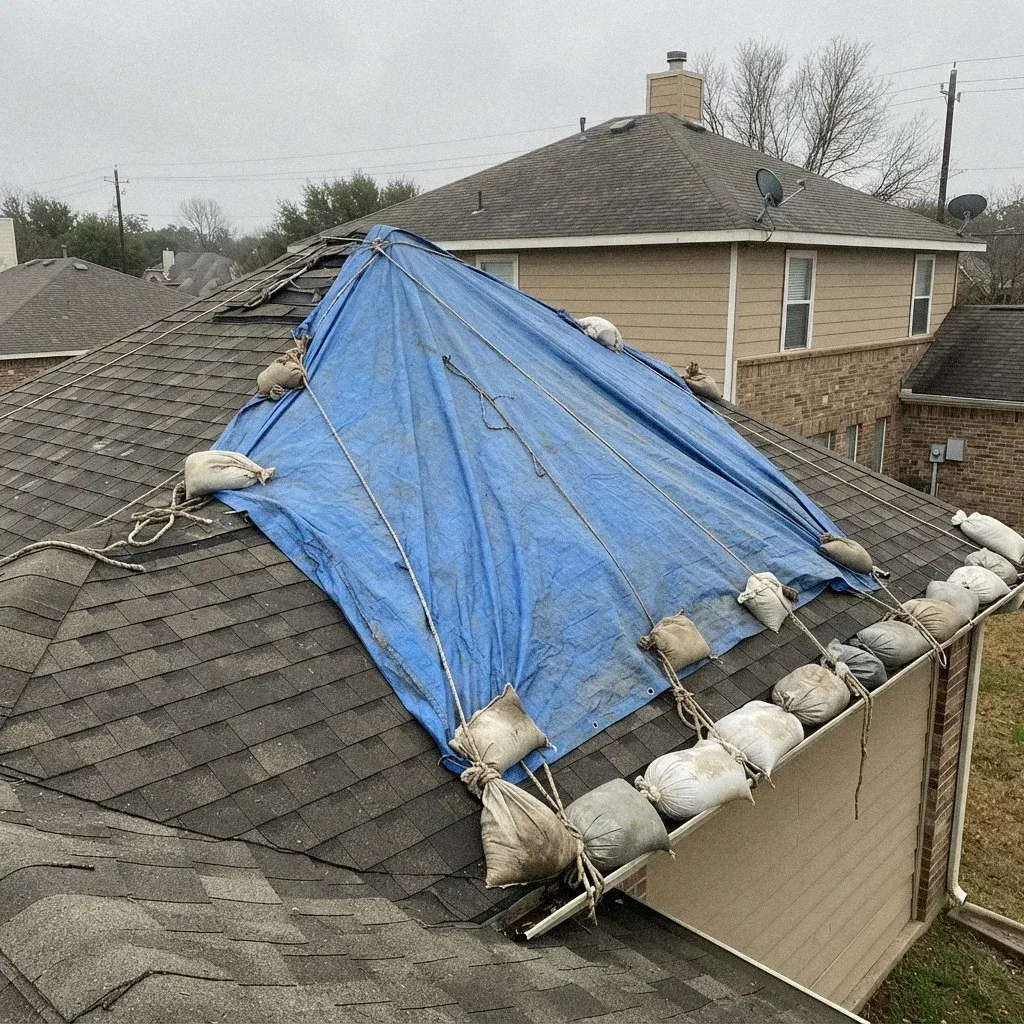
Emergency Roof Tarping
Same-day covering when the roof is open and the weather is not waiting.
Learn about Emergency Roof Tarping
Asphalt shingles cover most Omaha homes, from Millard to Florence, with older Field Club and Bemis Park houses occasionally showing a metal reroof from decades back. Full basements are the default foundation here, so a leaking roof or overflowing gutter threatens finished space below grade, not just the attic.
Spring hail leaves the heaviest mark, so reroofing demand spikes right after storms roll through West Omaha and South Omaha alike. Waiting until the ground freezes near the 36-inch frost line makes underlayment work harder and slower. Crews booking early summer near Aksarben Village or Boys Town beat that window.
Same-day covering when the roof is open and the weather is not waiting.
Learn about Emergency Roof Tarping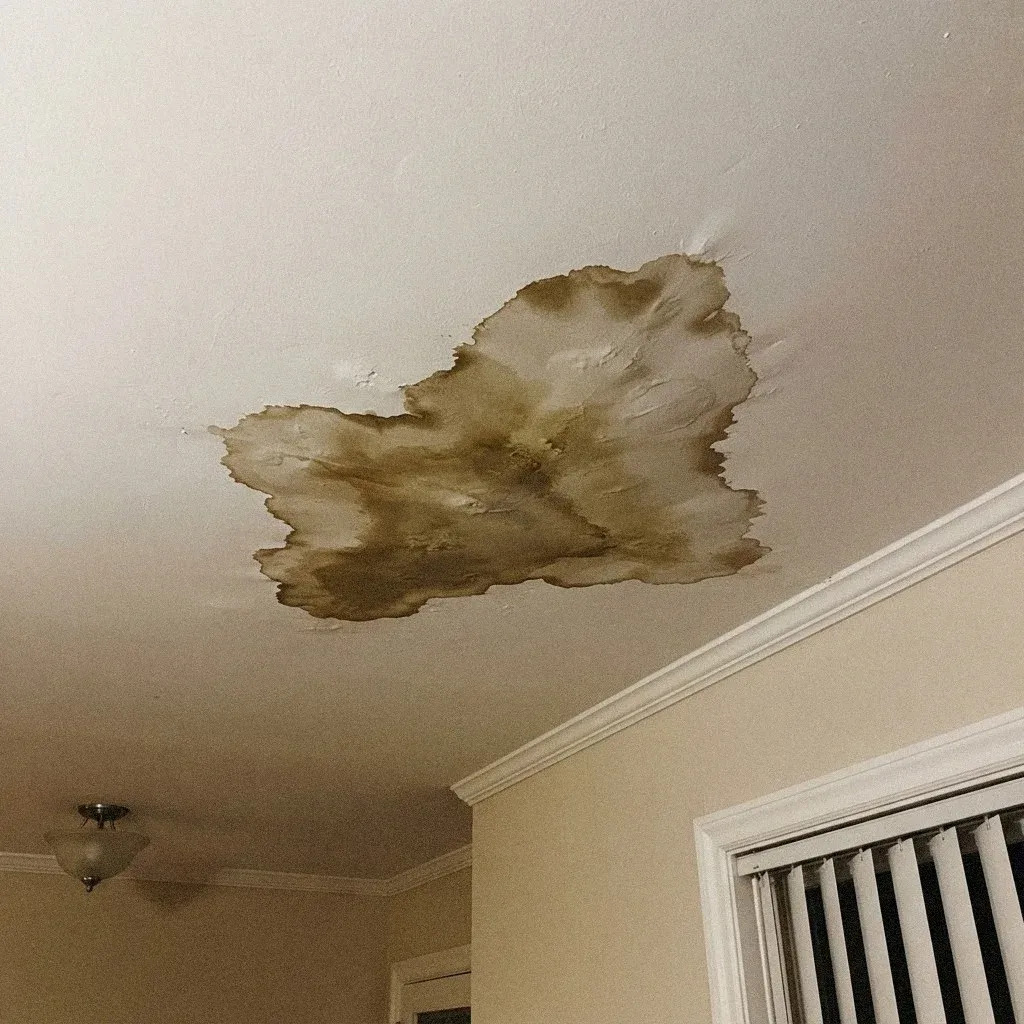
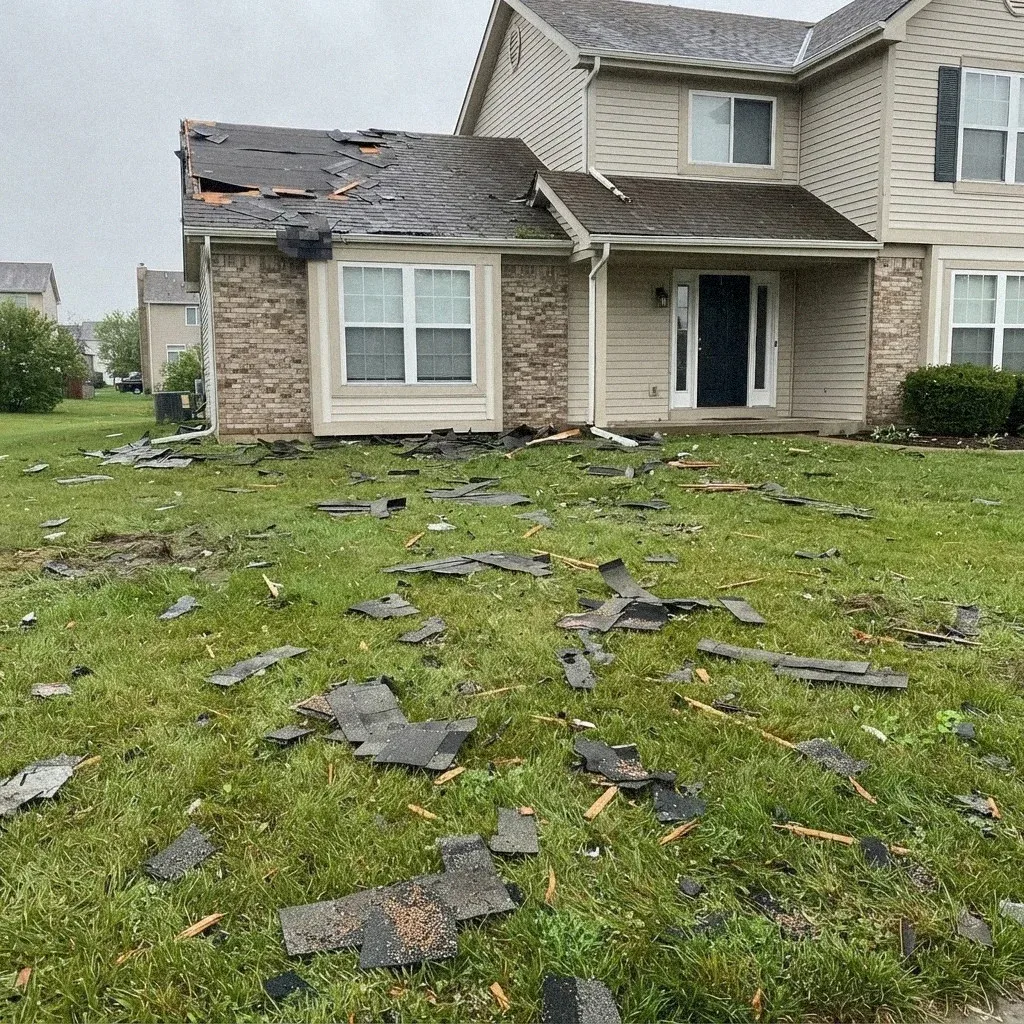
Hail and wind damage found, documented and repaired across Omaha.
Learn about Storm & Wind Damage Roof Repair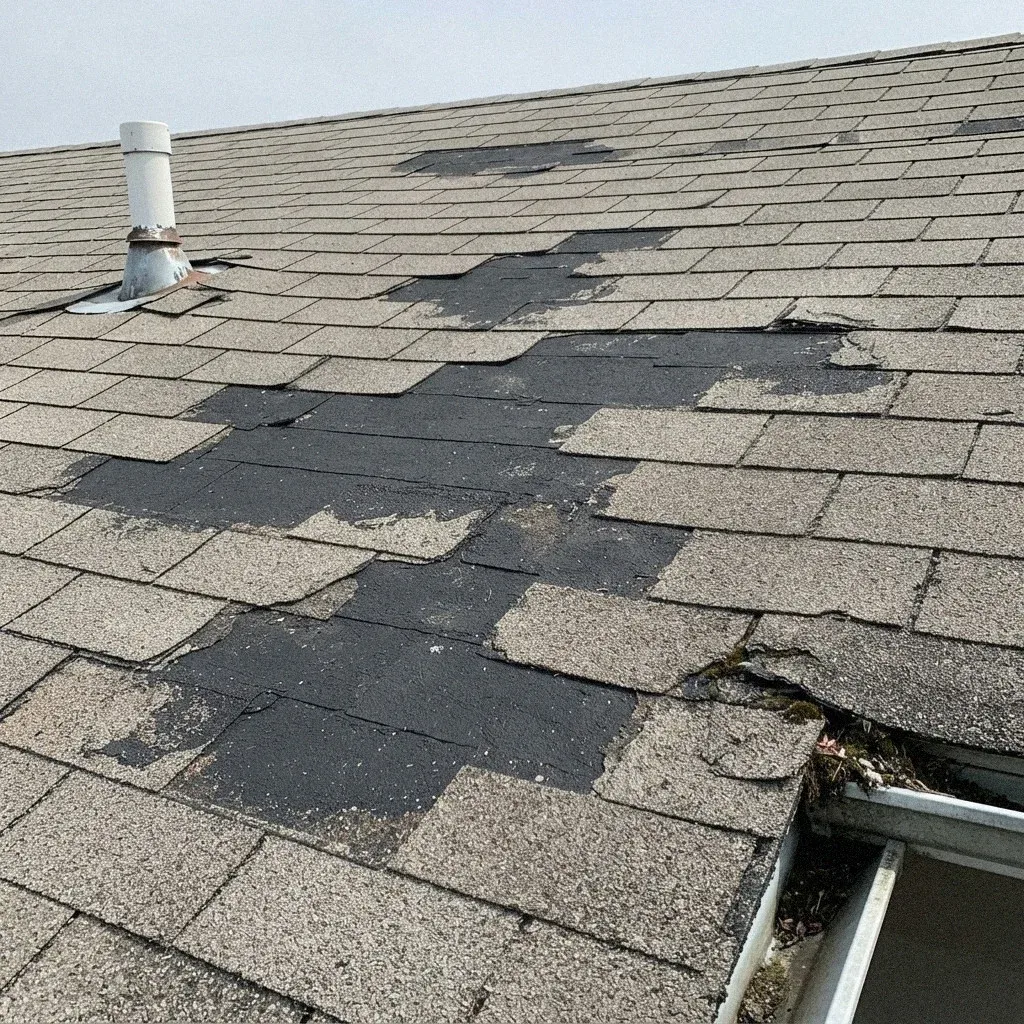
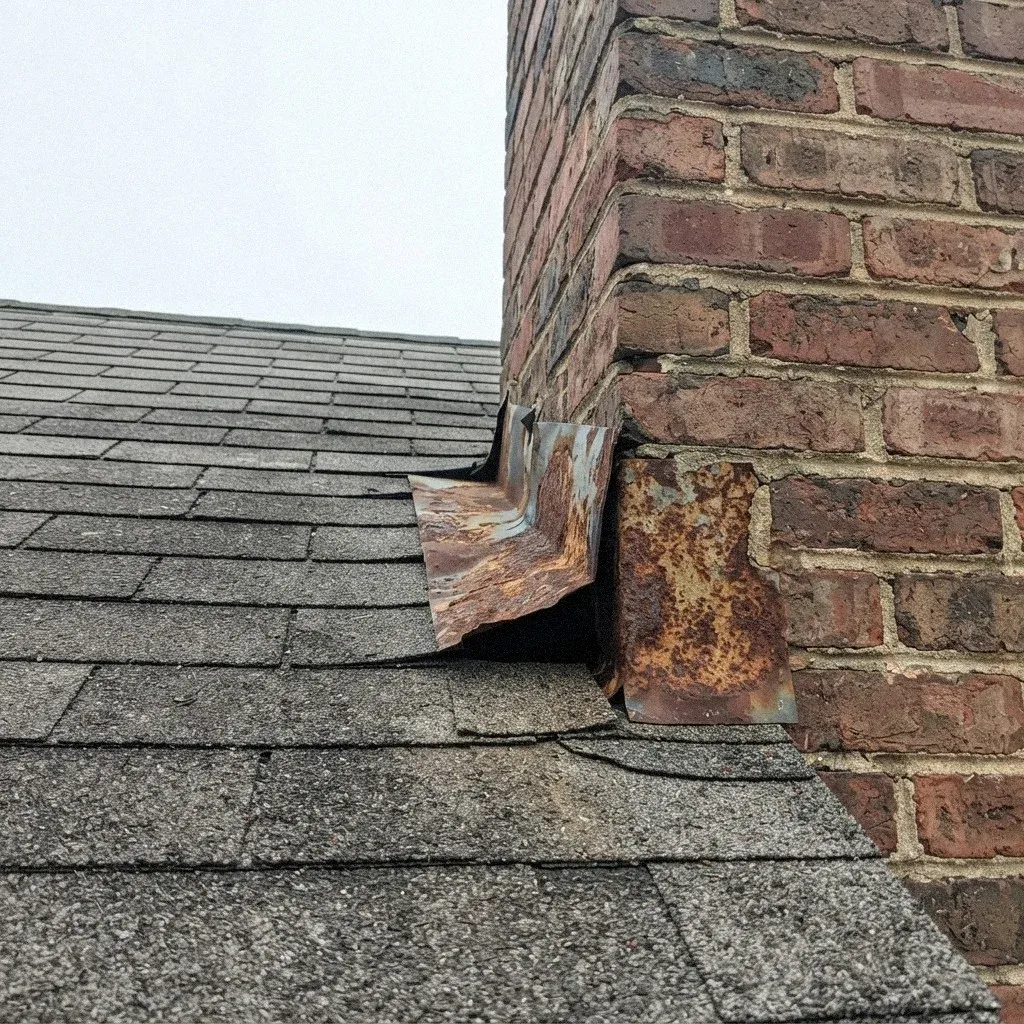
Resealing or reflashing the metal at your chimney and valleys.
Learn about Flashing & Chimney Repair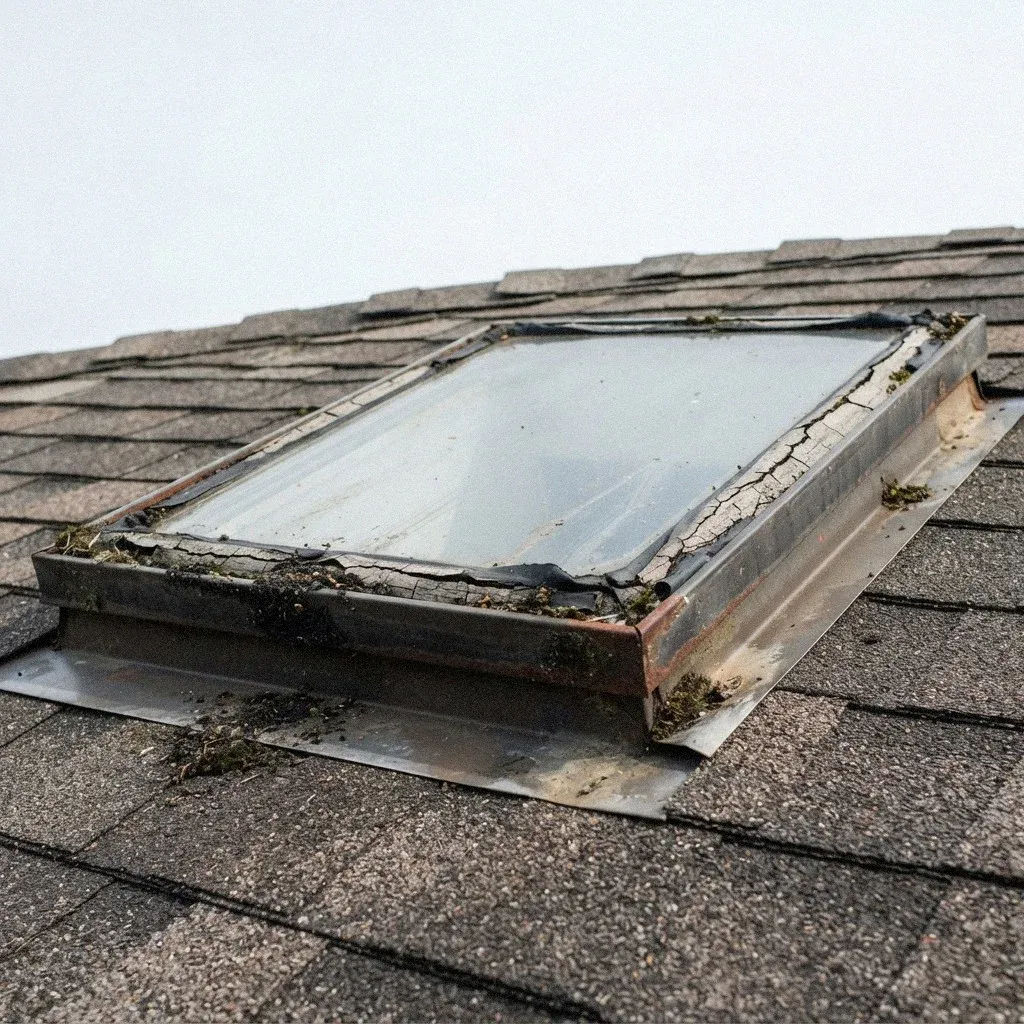
Leak, fog, or age — sorted out before the next Omaha thaw.
Learn about Skylight Repair & Replacement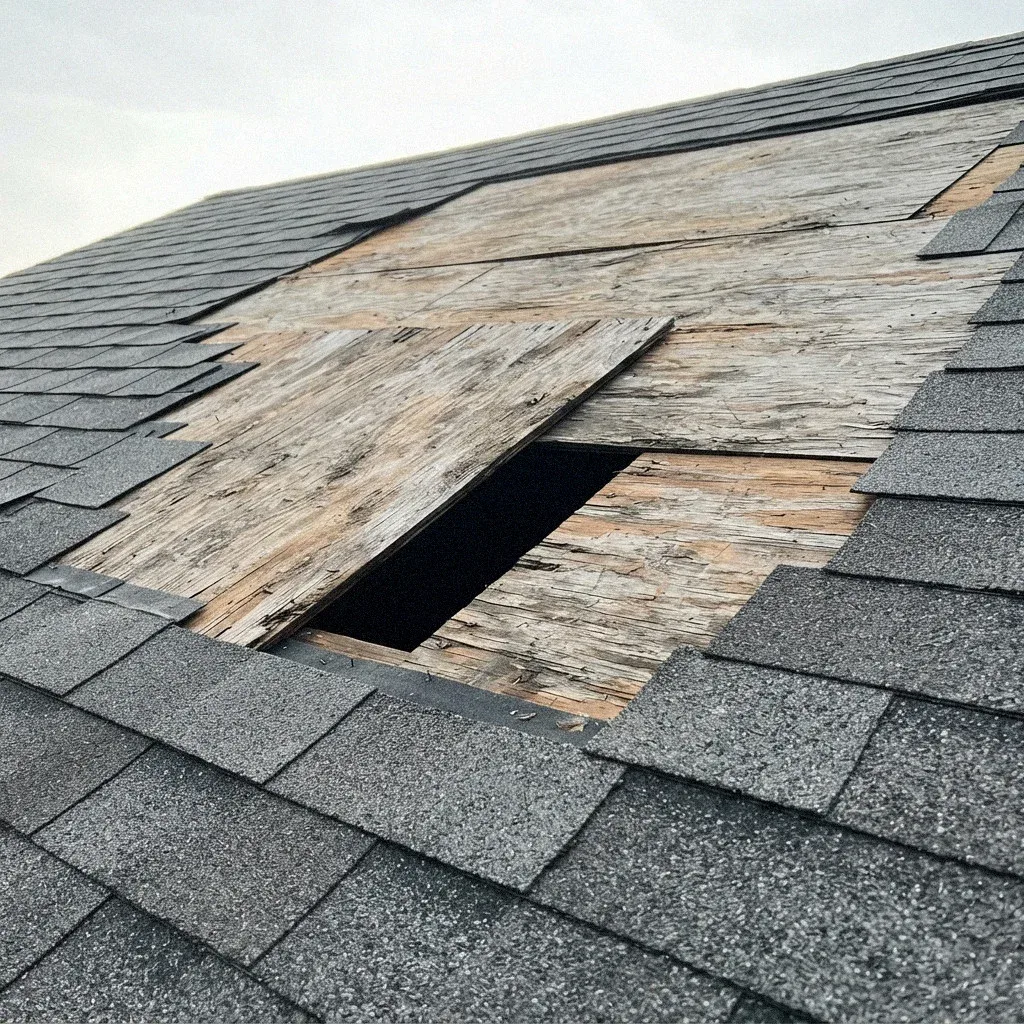
Weak roof decking caught mid-tear-off, replaced before the new roof goes down.
Learn about Roof Decking & Sheathing Repair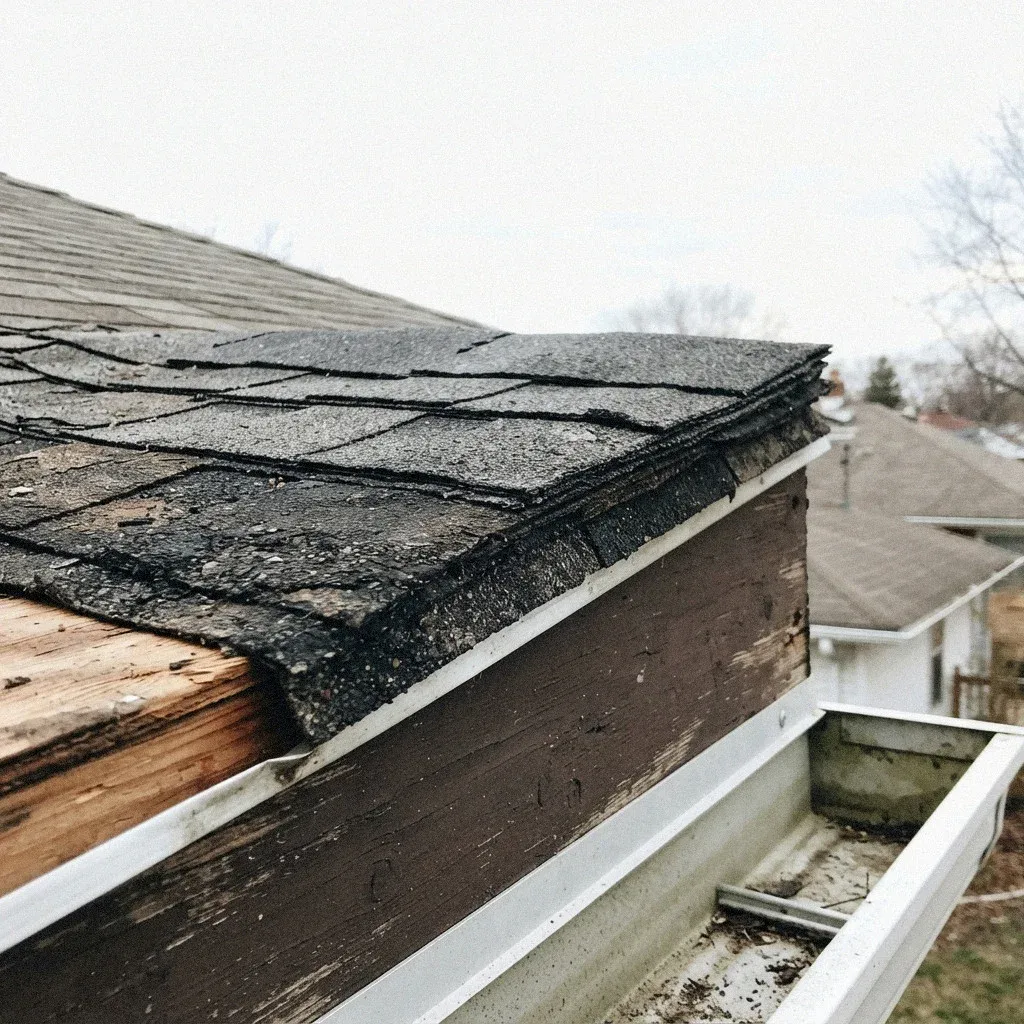
Every layer stripped to the deck, rebuilt right, on your schedule.
Learn about Roof ReplacementHomes and businesses right across Douglas County. Call to check your street is covered and to have a licensed local roofer take a look.
Omaha sits in the heart of Douglas County, and its mix of older and newer properties each bring their own roofing headaches. Whether it's Emergency Roof Tarping, Roof Leak Repair, Storm & Wind Damage Roof Repair, the goal is the same: fix the real cause, not just what you can see today.
Every roof is different, so it starts with somebody up there: the pitch, the age of the covering, the state of the flashing and how sound the decking underneath still is. It is the same care whether the job is Roof Repair and Flashing & Chimney Repair.
Omaha NE Pro Roofers covers Omaha and nearby towns throughout Douglas County, from Downtown Omaha and Benson to Field Club and Aksarben and Elmwood Park. Every roofer you are put in touch with is licensed, insured and already working in this area rather than routed in from a distant call center. Familiar ground includes Old Market, Eppley Airfield, Interstate 480, Farnam Street.
In Omaha, a roof job starts with a phone call, often after hail hits near Benson or Millard in the April-to-June window. From there, someone gets a set date to climb up, check the shingles and flashing, and note what freeze-thaw cycling has already done to the deck below.
Call (833) 566-1459 or book online. We ask a few quick questions - where the water is showing, how old the roof is, whether anything is actively dripping - and connect you with the soonest visit that works for you.
One of the licensed pros we connect you with goes up on the roof, photographs what they find, and traces the leak back to where it is actually getting in rather than where the stain is. The plan and the estimated price are explained before any work starts.
Water travels along a rafter and shows up feet from where it got in, so a repair aimed at the stain looks successful for a season and then fails in the same place. The flashing, the boot or the lifted course that let it in is what gets replaced.
The work is not finished when the hole is covered. Decking is checked for soft spots, the surrounding courses are re-sealed, the debris is swept for nails, and you get the photographs of what was done underneath.
That inspection turns into a written scope: shingle type, Class 4 options for hail, and deck repair if soft spots showed up. Tear-off day follows, then the crew checks decking before dry-in, since Omaha's freeze-thaw cycling punishes anything left exposed.
Someone local picks up, works out how urgent it is, and schedules the soonest available visit, plus a few simple things to do in the meantime.
They arrive ready to work rather than only to look, with tarps, sealant and enough material to stop an active leak on the same visit where the weather allows it.
The licensed pros we connect you with trace the water back to the entry point, cover it properly, and tell you plainly whether it is a repair or the start of a replacement.
You get photographs of the work from the roof, not a verbal summary from the driveway - which is what stops a job being called finished while a course of flashing is still open.
A shingle lifted by wind over a Dundee or Benson roof looks minor from the sidewalk, but the seal underneath it is already broken.
A plugged valley on a Millard or Elkhorn roof pushes runoff sideways under the flashing instead of down the slope.
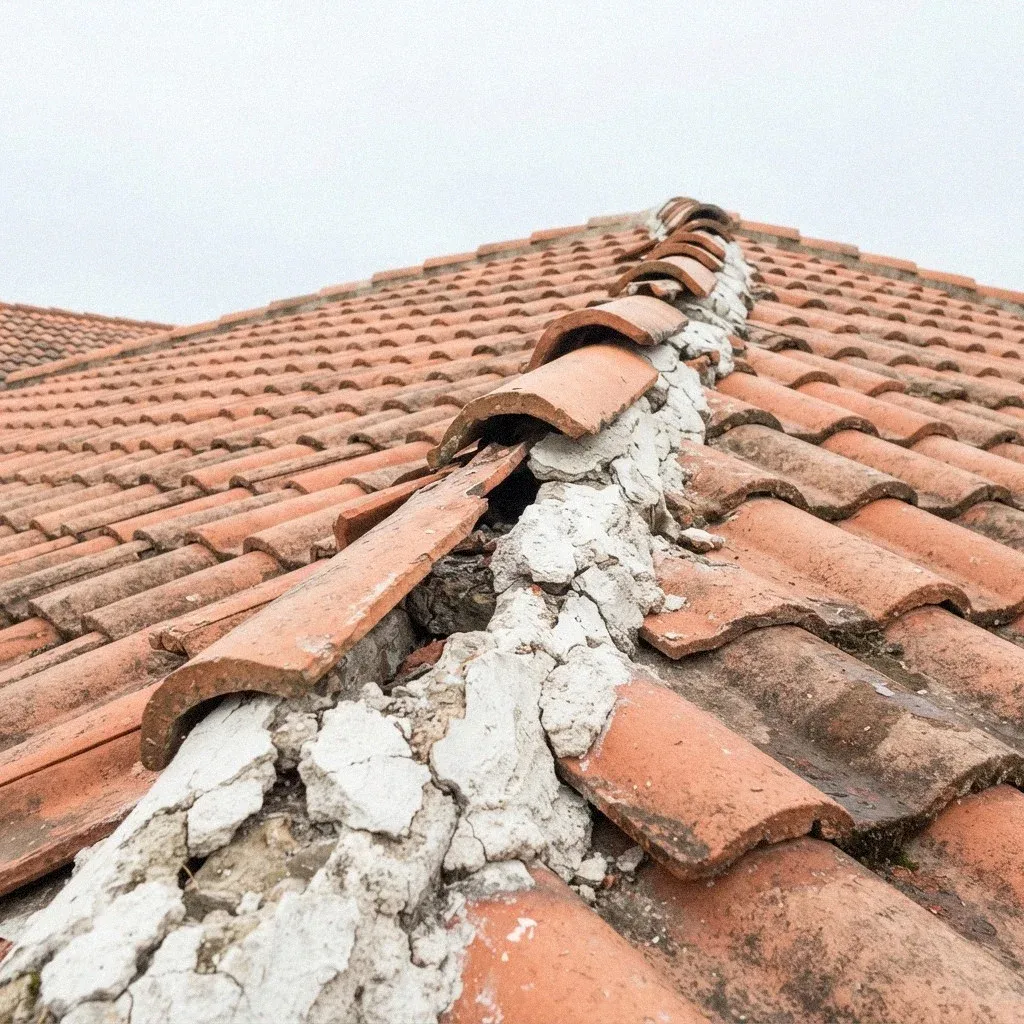
Omaha requires a permit for roof replacement, and whether repair work needs one comes down to how much decking gets replaced. The City of Omaha Planning Department reviews the application, not a neighborhood office in Dundee or Benson. Ask before crews start; a missed permit can stall an insurance payout later.
Omaha roofs take a beating from temperature swings, not any single dramatic event. Hail season runs April through June, hitting Dundee and Benson roofs alongside newer builds out in Elkhorn. Freeze-thaw cycling through winter works flashing loose year after year, especially on older Midtown Omaha homes with shallow roof pitches.
Converted warehouse lofts and new apartment towers share a loop, not a roof type.
Roof repair in Downtown OmahaCraftsman bungalows along Maple Street, many original since the 1920s.
Roof repair in BensonLarger 1900s-1930s frame and brick homes near the historic club grounds.
Roof repair in Field ClubPre-war subdivision homes beside 2000s-on mixed-use condos on the old fairgrounds site.
Roof repair in Aksarben and Elmwood Park1890s-1930s stockyards-era bungalows on tight, unincorporated-era plats near Q Street.
Roof repair in South OmahaTurn-of-the-century platted streets, alley lots, and roofs original to homes built well before 1960.
Roof repair in North OmahaMormon-era plat with a basemented core and newer infill sharing the same blocks.
Roof repair in FlorenceRegency's newer cul-de-sacs and Fairacres' older lot lines share one ZIP code.
Roof repair in West Omaha 68114Most Omaha roof calls follow a spring hailstorm or a freeze-thaw winter, not routine wear. Older Dundee and Benson homes with full basements show ceiling stains after ice dams back water under shingles, while newer Elkhorn and Millard roofs get hail bruising that adjusters miss until a licensed pro points it out.
This is the case where the covering is gone and the deck is showing, or a limb has punched through and you can see daylight from the attic. Water is not being slowed by anything. Every hour of rain from that point goes into insulation, ceilings and whatever is stored below. It is the one situation where a same-day call is worth the after-hours rate rather than waiting for a booked slot.
Emergency Roof Tarping →A brown patch on a Dundee or Benson ceiling almost never sits under the leak source. Water rides the top of the attic insulation or the underside of the deck, moving along the slope until gravity and framing pull it down somewhere else. The pros we connect you with treat that stain as a starting clue, not the answer, and work upslope from it to find where water actually crosses the roofline.
Roof Leak Repair →Wind and hail damage a roof in two different ways. Wind gets under an edge and breaks the seal along the shingle strip, so the tab lifts and creases even when nothing comes off. Hail strikes the face and bruises the mat under the granules, which is a break in the waterproofing that you can feel more easily than you can see. Both leave a roof that looks broadly intact and is not.
Storm & Wind Damage Roof Repair →Missing shingles are the obvious case, but lifted ones matter just as much and are easier to miss. A tab whose seal strip has broken sits flat until the wind gets under it again, and the gap underneath is open to driven rain in the meantime. Look along the rakes and the ridge first, because that is where the uplift starts on an exposed Omaha lot.
Roof Repair →Rust streaks running down brick below a chimney flashing mean water has been sitting behind metal for a while. The metal is corroding from the back, where nobody looks, and the streak is what has washed out onto the face. On an older Omaha chimney it usually comes with mortar that has started to break down, because the two problems feed each other.
Flashing & Chimney Repair →A stain spreading across the ceiling below a skylight in a Dundee or Benson bungalow usually shows up after snowmelt runs into a worn spot at the curb. Before assuming the roof is at fault, the glass itself needs a look, since a skylight leak and a fogged pane get blamed on each other more often than either gets checked first.
Skylight Repair & Replacement →Cost depends on roof size, pitch, and how many layers of old shingles have to come off first, which is common on older homes in Dundee or Benson. Material choice matters too, since Class 4 impact-resistant shingles cost more upfront but hold up better against the hail Omaha sees most springs. A straightforward tear-off on a typical single-family home lands in a fairly predictable range once someone measures the roof in person.
Composition shingle roofs here wear from the inside out as much as the outside in, because Omaha's freeze-thaw cycling stresses shingles and flashing every winter, not just sun exposure. A roof that dodges a direct hailstorm can run its full expected life, but one hit hard in an April or May storm near Millard or Elkhorn often needs replacing well before that, regardless of age.
A few cracked shingles, a lifted ridge cap, or a leak at one flashing point after a spring hailstorm is usually a repair, not a full reroof. Widespread bruising across the whole field of shingles, granule loss over most of the roof, or damage found on multiple slopes after a bad storm in a neighborhood like Millard or West Omaha usually points toward replacement instead of another patch.
Timing depends heavily on the season. After a major hail event in April, May, or June, when storm-chasing crews from out of town also flood the metro, local scheduling gets tighter fast. Outside that window, a roof with an active leak near the Missouri River side of town or in an older Benson or Florence home typically gets looked at sooner than routine, non-urgent inspection requests.
It depends on scope. The City of Omaha Planning Department handles roofing permits through OmahaPermits.com, and a full reroof typically triggers one while small patch work often doesn't. There's no published square-footage line separating the two on the city's own site, so the contractor pulling your permit needs to check with Omaha Permits and Inspections before starting, not just assume based on job size.
Depends on the cause. Hail from an April-through-June storm that dented shingles or bent gutters across Dundee or Benson usually qualifies, since Nebraska carriers see that pattern every spring. A roof worn down by years of freeze-thaw cycling with no storm behind it is treated as maintenance and falls on the homeowner, not the policy.
Nebraska doesn't license roofing contractors, but the state requires contractor registration through the Nebraska Department of Labor, and Omaha requires its own separate city contractor license for work performed inside city limits. A legitimate pro can show proof of both without hesitation. Storm-chasing crews that show up right after a big hailstorm and push you to sign an insurance assignment on the spot are the ones to be wary of.
Most planned reroofs in Omaha happen outside the spring hail window of April through June, since that stretch brings both the storms and a surge of demand from storm repairs across the metro. Late summer and fall tend to open up more scheduling flexibility, and temperatures are milder for the crews doing the tear-off, before winter's freeze-thaw cycle sets back in.
One recurring wet spot almost always traces back to a single failure point, not the whole roof. Flashing around a chimney or vent pipe that was resealed but not replaced, a nail that backed out under temperature swings, or a valley that was never properly rebuilt will keep leaking in the same place until someone opens it up and fixes the actual source.
A roof rarely fails on the first bad storm. Freeze-thaw cycling opens seams over several winters, hail bruises shingles that keep shedding water for another year, and wind lifts the same edge until it finally gives. Age and prior repairs shape when a small problem turns into water on the ceiling.
Spring hail rolling through Douglas County leaves shingles bruised in ways that are hard to judge from the driveway, and a roof over a finished basement carries more risk if water starts working past a damaged ridge. Freeze-thaw cycling loosens flashing over a few winters, then a windstorm finds the weak spot. The sections below sort out what to check first, what a claim involves, and which repairs actually wait until summer.
Call (833) 566-1459