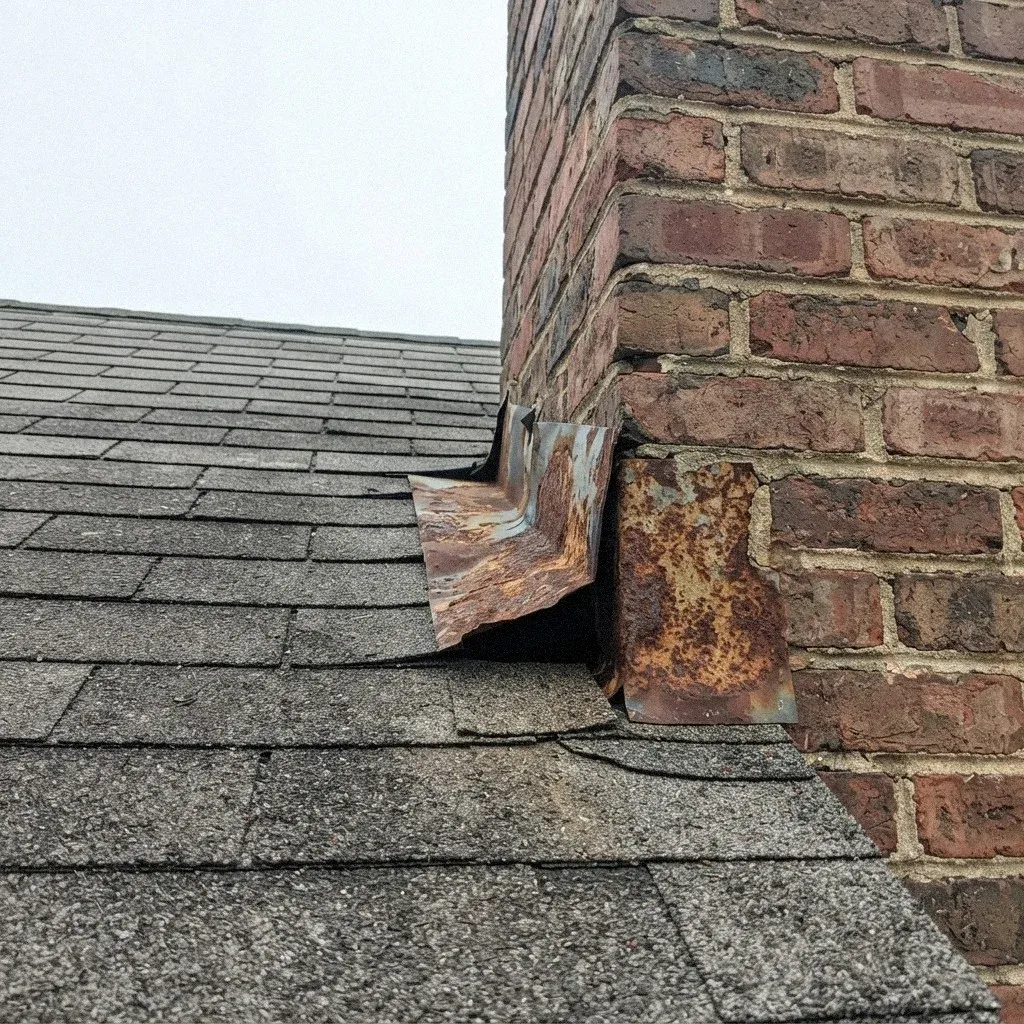
Flashing & Chimney Repair
Resealing or reflashing the metal at your chimney and valleys.
Learn about Flashing & Chimney RepairLarger 1900s-1930s frame and brick homes near the historic club grounds.
Field Club sits 2.6 miles southwest of downtown Omaha, the historic district platted around 32nd and Center Street. Larger frame and brick houses from the early 1900s through the 1930s line these blocks, with the namesake club itself anchoring the neighborhood's identity within Omaha's grid.
Hail impact, freeze-thaw cycling, and heavy downpours wear a roof through separate mechanisms, so one repair rarely addresses what the others caused.
Homes shaded by mature trees deal with trapped moisture and slower drying after rain; homes standing in open sun deal with faster shingle breakdown from constant heat. Both wear a roof down, just from opposite directions.
A small leak left alone gets more expensive with time, not less. Moisture sitting in attic insulation for a season can ruin the material quietly, long before a homeowner notices a mark on drywall below it.
Field Club's tree canopy holds moisture on these older roof planes longer than open West Omaha lots see, so shaded valleys and north slopes stay damp after storms. Combined with freeze-thaw cycling through Omaha winters, that moisture works into aging flashing around dormers and multiple roof intersections faster than on simpler rooflines. Ice dams form when heat escaping through poor attic insulation melts snow that then refreezes at the eaves, and that backup can push water under shingles rather than off them. It's an insulation problem showing up as a roof problem.
The presence of Field Club shapes the local workload. Rooftop units, their curbs and the drains around them are the usual pressure points, and a scheduled inspection beats waiting for a ceiling tile to go.
No call-out fee and no obligation. Here is roughly where Field Club jobs price out before we have seen the property.
| Service | Estimated cost |
|---|---|
| Flashing & Chimney Repair | an estimated $350–$1900 |
| Roof Repair | an estimated $400–$2200 |
| Ice And Snow Removal From Roofs | an estimated $250–$1200 |
| Roof Decking & Sheathing Repair | an estimated $600–$4500 |
Hanscom Park sits just north of Field Club, a landmark green space residents use as a reference point separate from the historic club grounds the neighborhood is named for.
Elmwood Park lies further west, a larger city park that marks the edge of Field Club's walkable reach without sitting inside the district itself.
Dundee borders Field Club to the northwest, another early planned Omaha subdivision with a similar pre-1930s housing stock and its own annexation history into the city.
Resealing or reflashing the metal at your chimney and valleys.
Learn about Flashing & Chimney Repair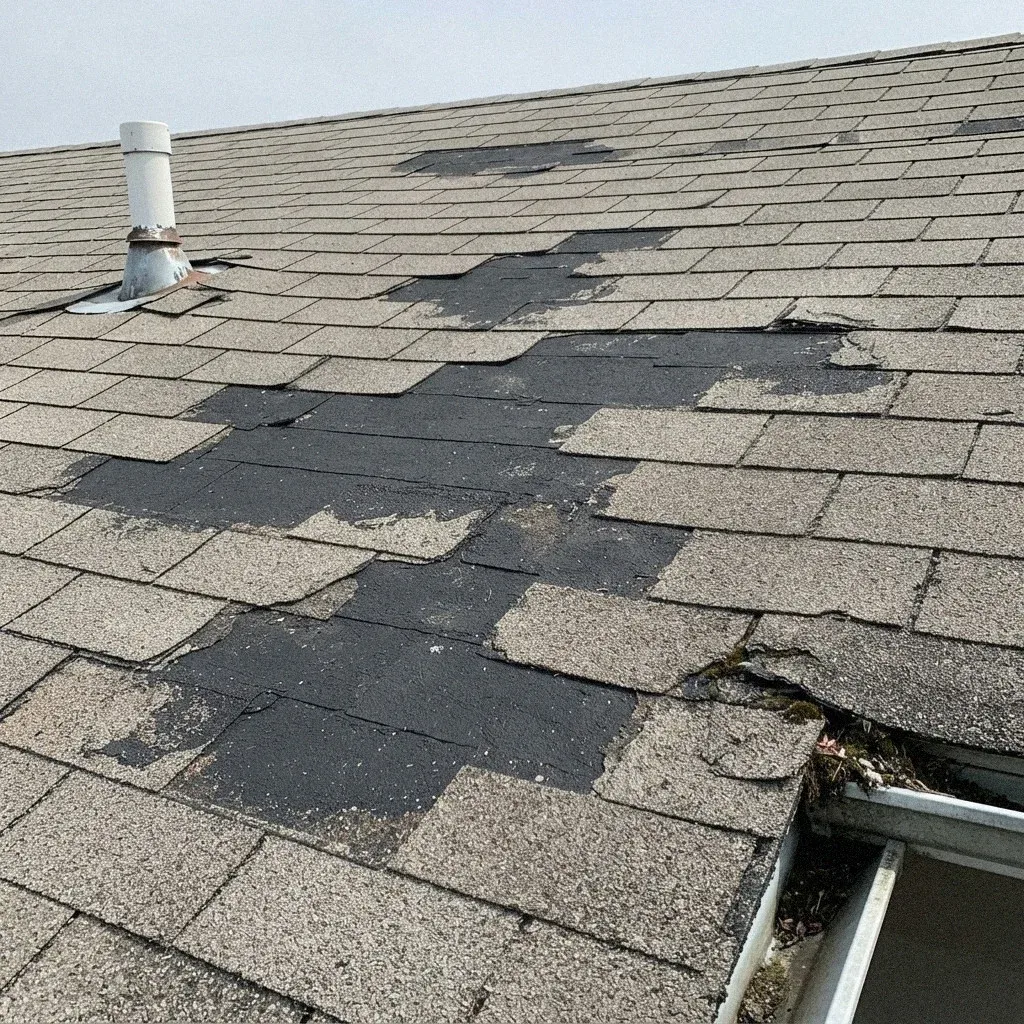

Steam-based ice and snow removal for Omaha roofs and eaves
Learn about Ice And Snow Removal From Roofs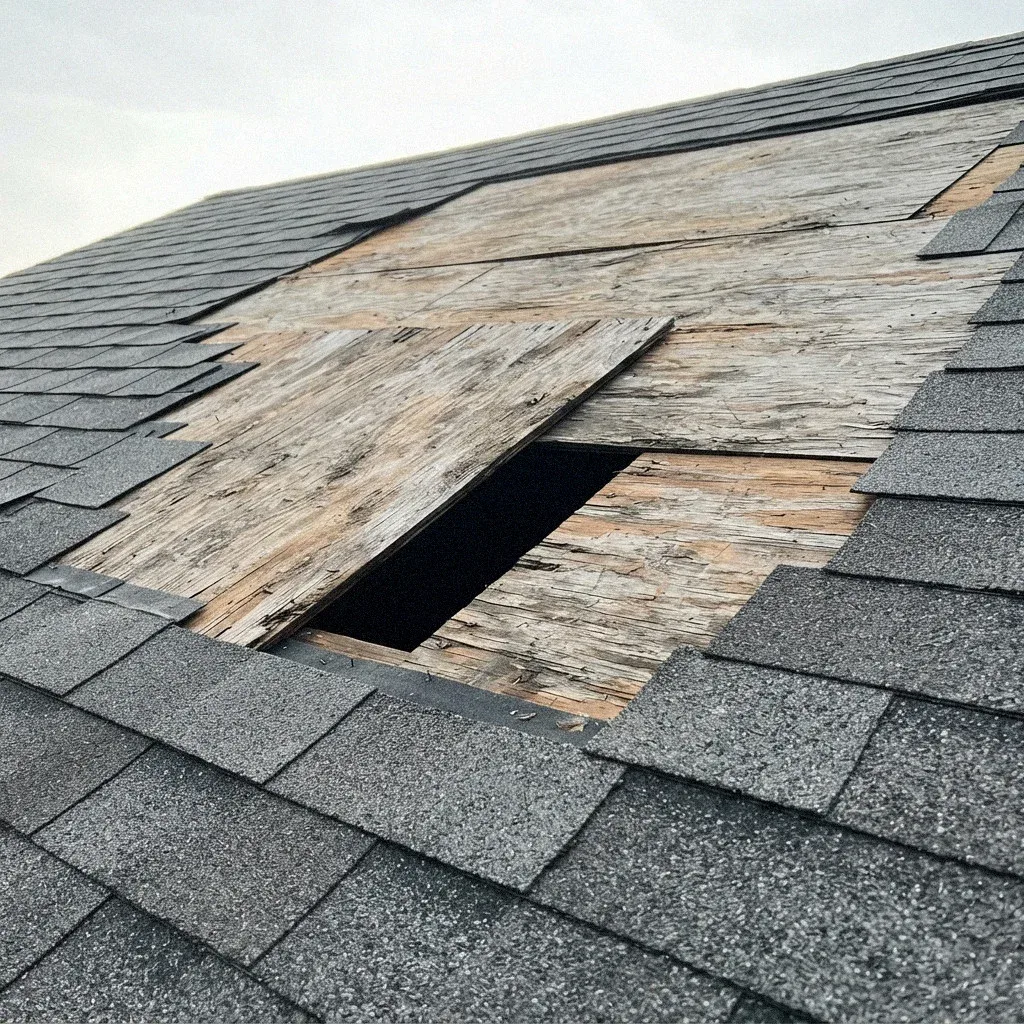
Weak roof decking caught mid-tear-off, replaced before the new roof goes down.
Learn about Roof Decking & Sheathing RepairMost Field Club homes carry steep front gables or hipped roofs typical of early 1900s-1930s construction, often with dormers breaking up the plane. Coverage is mainly asphalt shingle today, though some roofs still show the slate or tile lines original builders favored. Multiple roof planes and cut-ups mean more flashing and valleys than a simple ranch roof, which is where leaks usually start.
Age is the main driver. Houses built before the 1930s have had decades of Omaha freeze-thaw cycling on their original framing and flashing, and many have been reroofed more than once already. Remodel activity in this historic district also uncovers deferred roof issues once a homeowner opens up the attic or adds insulation.
Yes. Field Club sits inside Omaha proper, not an unincorporated pocket, so any reroof or repair permit runs through the City of Omaha Planning Department rather than a separate town's process. The district's historic status can also affect what exterior changes are reviewed before work starts.
Yes. Field Club's older lots carry taller, established trees than newer Omaha subdivisions, and branches often hang close to the roofline. That means more debris in valleys and gutters, slower drying after rain, and crews sometimes working around limbs to get a ladder set. It's a normal part of quoting a job here, not a reason to skip maintenance.
Field Club's drive time from most of Omaha is short, so service radius isn't the issue, matching the house to a contractor who works on older frame and brick homes is. We connect you with licensed pros who handle this housing stock rather than only newer western-suburb builds.
Usually the same day, yes. Urgent jobs jump the queue here: water coming through a ceiling, a slope torn open by wind, or a limb down on the roof. Those are taken around the clock. Anything that can safely wait is booked at the standard rate instead.
Every part of Omaha answers to the same hail season and the same winter freeze-thaw, but not in the same way. An older home near Hanscom Park with decades of roofing history wears differently than a newer build out toward Elkhorn on its original shingles. Proximity to Papillion Creek or the Missouri River floodplain changes the drainage story too. The licensed pros we connect you with know how these local differences show up on an actual roof, not just a map.
Call (833) 566-1459