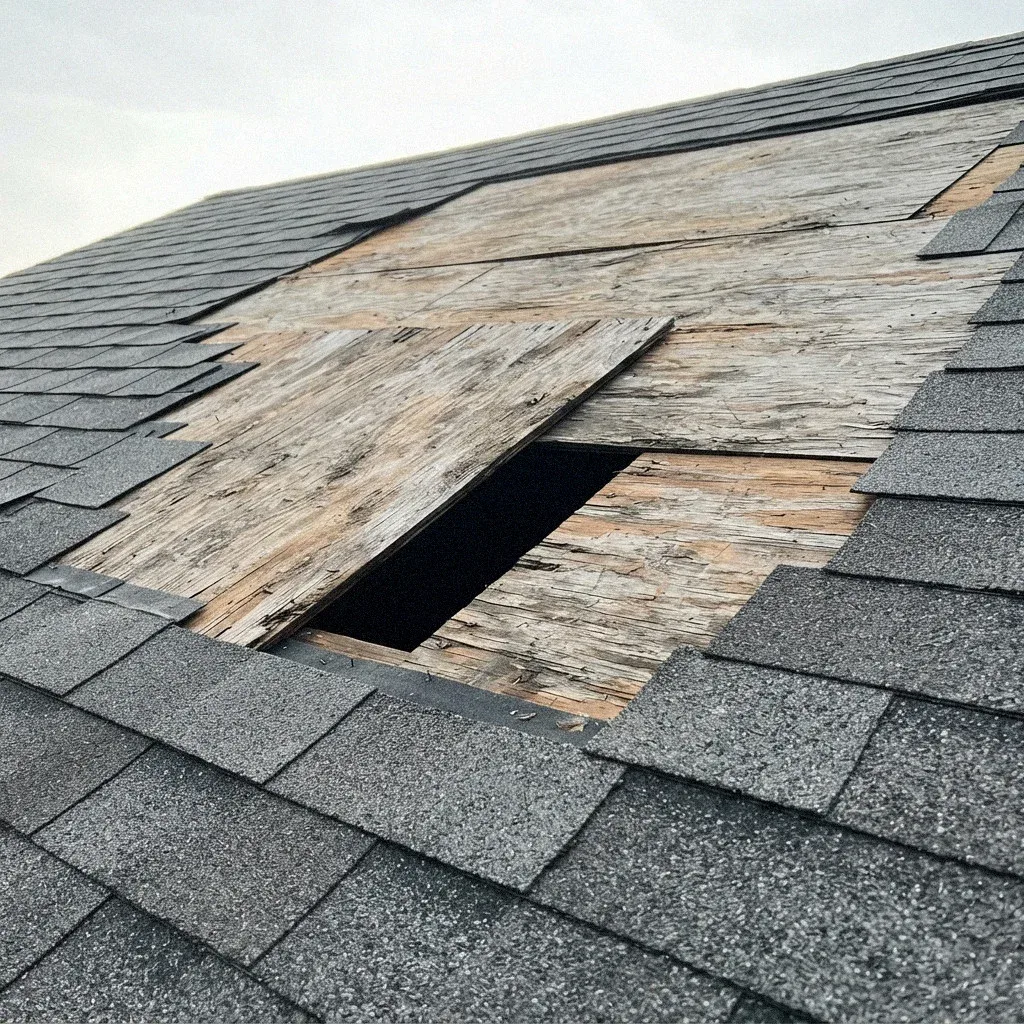
Roof Decking & Sheathing Repair
Weak roof decking caught mid-tear-off, replaced before the new roof goes down.
Learn about Roof Decking & Sheathing RepairTurn-of-the-century platted streets, alley lots, and roofs original to homes built well before 1960.
North Omaha sits 2.9 miles northwest of downtown, covering the Near North Side and Kountze Place. Long platted before most western suburbs existed, it runs along North 24th Street and Florence Boulevard, with older grid streets and alley frontage common near the city's original plat lines.
Freeze-thaw cycling, spring hail, and heavy short-burst rain do more cumulative damage than any one storm.
A small leak left alone gets more expensive with time, not less. Moisture sitting in attic insulation for a season can ruin the material quietly, long before a homeowner notices a mark on drywall below it.
Winter temperature swings crack aging mortar and lift old flashing across Kountze Place roofs built decades before current code. Spring hail moving through in April and May finds soft, sun-worn shingles here first, since so many roofs are original or close to it. Straight-line wind and tornado risk both spike in the same spring stretch as hail, and either can lift shingles or strip a section of roof outright. A roof that loses a few shingles in one event is often carrying damage that shows up worse in the next one.
North Omaha has Metro Community College nearby, which means flat and low-slope roofs as well as pitched ones. Those live or die on documentation: a warranty is only worth what the paperwork behind it can prove.
No call-out fee and no obligation. Here is roughly where North Omaha jobs price out before we have seen the property.
| Service | Estimated cost |
|---|---|
| Roof Decking & Sheathing Repair | an estimated $600–$4500 |
| Ice And Snow Removal From Roofs | an estimated $250–$1200 |
| Gutter Repair & Replacement | an estimated $1200–$4800 |
| Roof Leak Repair | an estimated $450–$2400 |
This platted residential pocket holds some of the area's oldest homes, and roofs here often show flashing and ridge details original to a build era well before modern underlayment was standard.
The corridor anchoring the Near North Side carries older commercial buildings alongside residential side streets, where narrow lots and alley access shape how a reroof gets staged and hauled.
This arterial connects North Omaha toward Florence to the north, and homes along its side streets mix early frame houses with later infill built on the same original lot lines.
Weak roof decking caught mid-tear-off, replaced before the new roof goes down.
Learn about Roof Decking & Sheathing Repair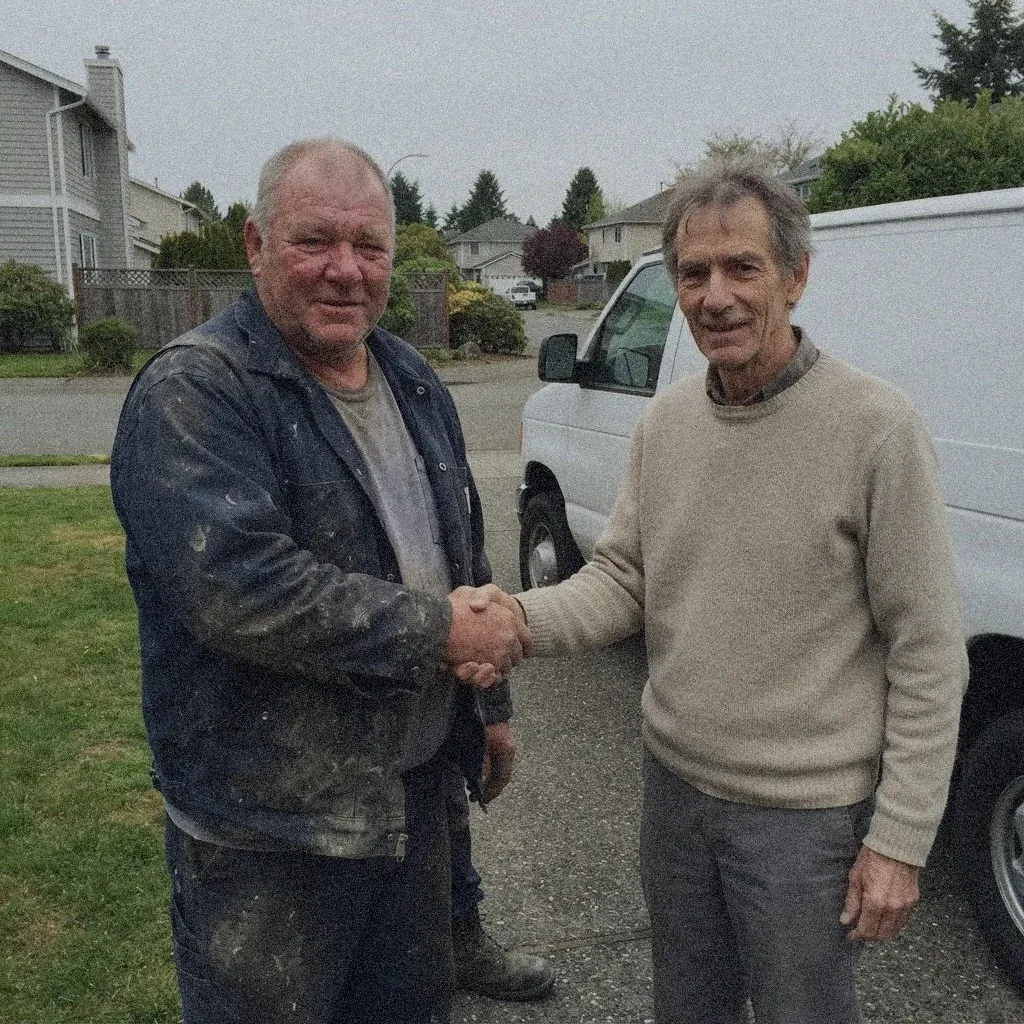
Steam-based ice and snow removal for Omaha roofs and eaves
Learn about Ice And Snow Removal From Roofs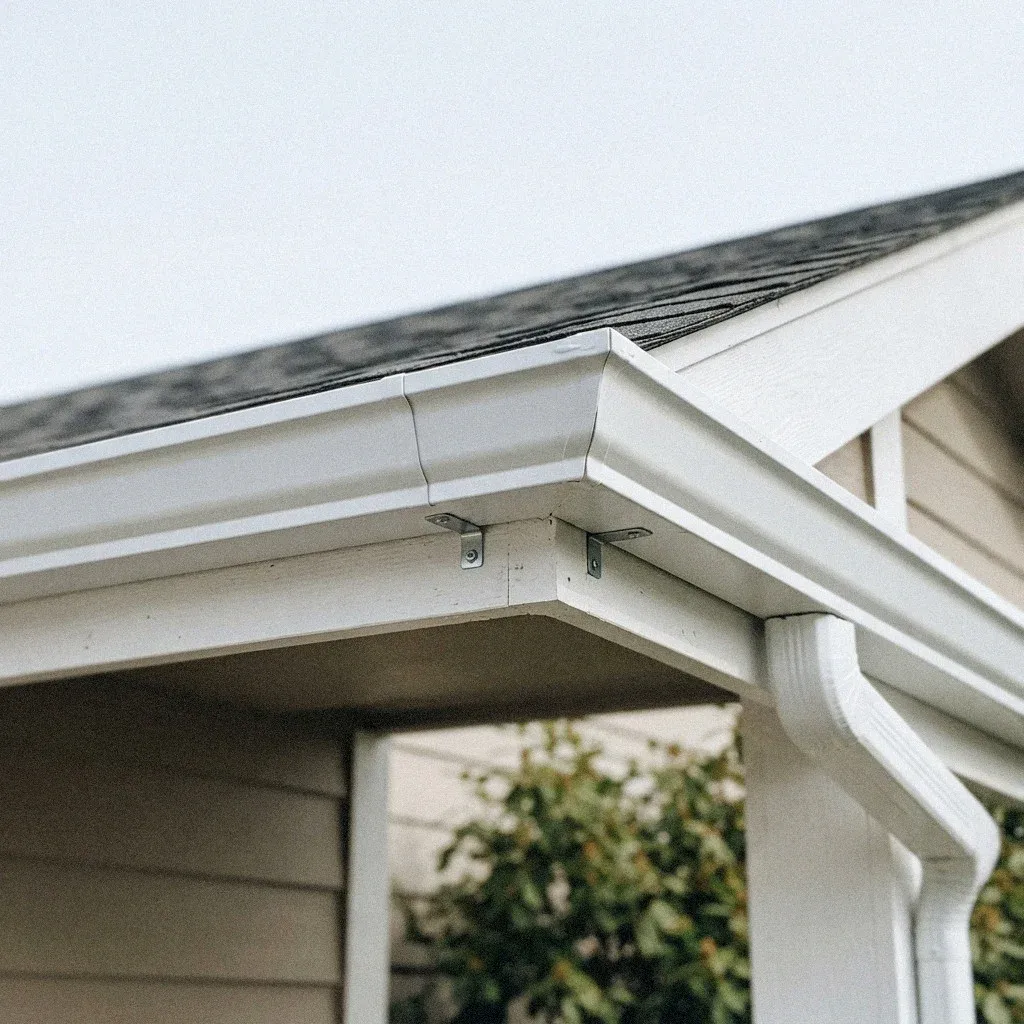
Gutters rehung to the right pitch and tested with water.
Learn about Gutter Repair & Replacement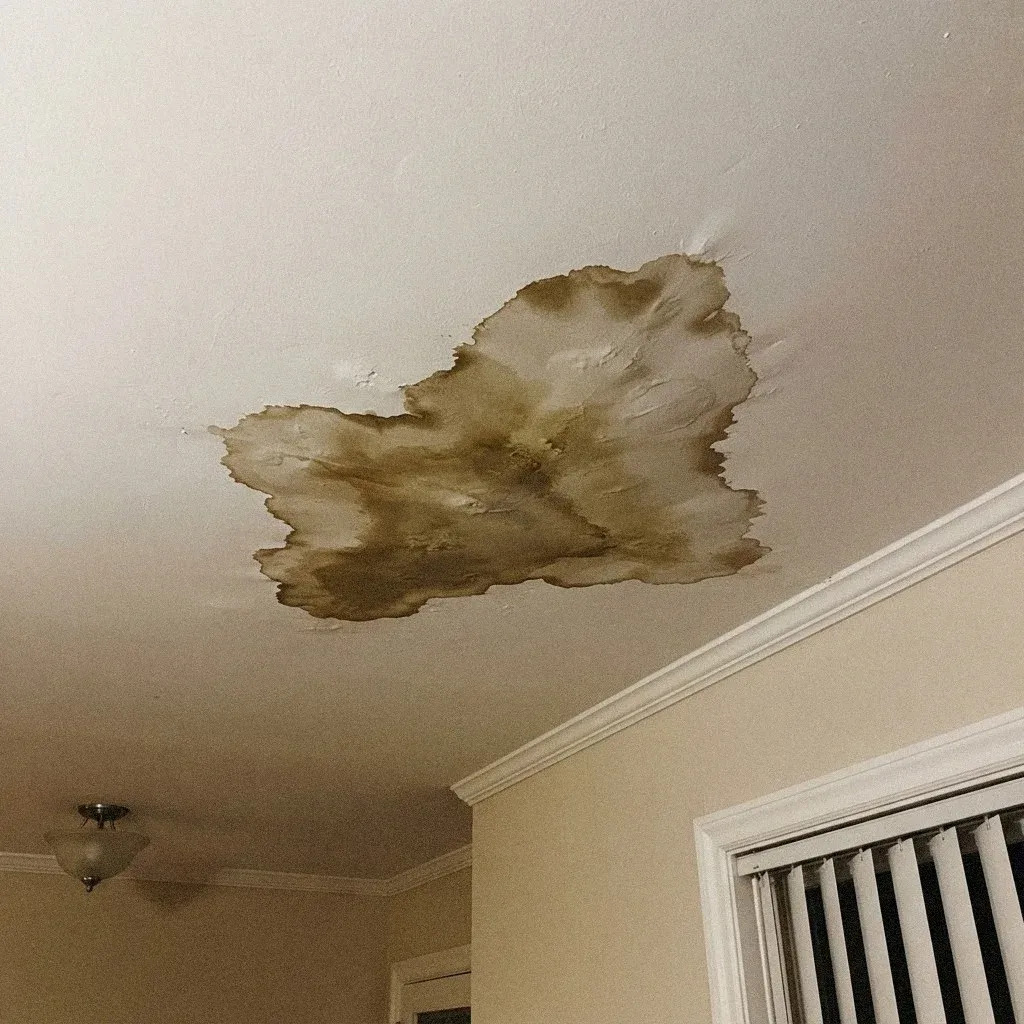
Steep-pitch gable roofs over frame and brick homes built mostly before 1940, many on narrow lots with alley frontage instead of a rear driveway. Asphalt shingle has replaced most original wood shakes and slate by now, though a few Kountze Place blocks still show older material on porches and dormers where it survived.
No. North Omaha itself carries no blanket historic designation, though pockets like Kountze Place hold individual landmark status for certain homes. Most streets here fall under ordinary residential zoning, so a reroof generally follows standard rules rather than a preservation board review. Confirm any specific address with the city if the home looks pre-1920.
Most reroofing work in city limits needs a permit, and North Omaha is no exception. Older homes here sometimes carry multiple layers from past repairs, and a permitted job usually means an inspector checks the decking underneath before new shingles go down, not just the surface everyone sees from the street.
Age is the main driver. Housing stock here predates most of the metro by decades, so original framing, flashing, and ventilation were built to standards nobody uses anymore. Narrow lots and alley-only access on some blocks also limit how a crew stages material, which can affect scheduling more than it affects the roof itself.
About 2.9 miles northwest of downtown Omaha, an easy drive along North 24th Street or Florence Boulevard. That short distance keeps North Omaha well inside the normal service radius for crews already working downtown, the Near North Side, and neighboring river-bluff areas like Florence.
If water is still spreading, a ceiling is sagging, or it has reached outlets or a panel, call now and it is handled as an emergency, day, night, weekend, or holiday. North Omaha is 2.9 miles northwest of downtown Omaha, the Near North Side and Kountze Place, which keeps response times short. For a contained problem that has already stopped, a planned visit costs less for identical work.
Every part of Omaha answers to the same hail season and the same winter freeze-thaw, but not in the same way. An older home near Hanscom Park with decades of roofing history wears differently than a newer build out toward Elkhorn on its original shingles. Proximity to Papillion Creek or the Missouri River floodplain changes the drainage story too. The licensed pros we connect you with know how these local differences show up on an actual roof, not just a map.
Call (833) 566-1459