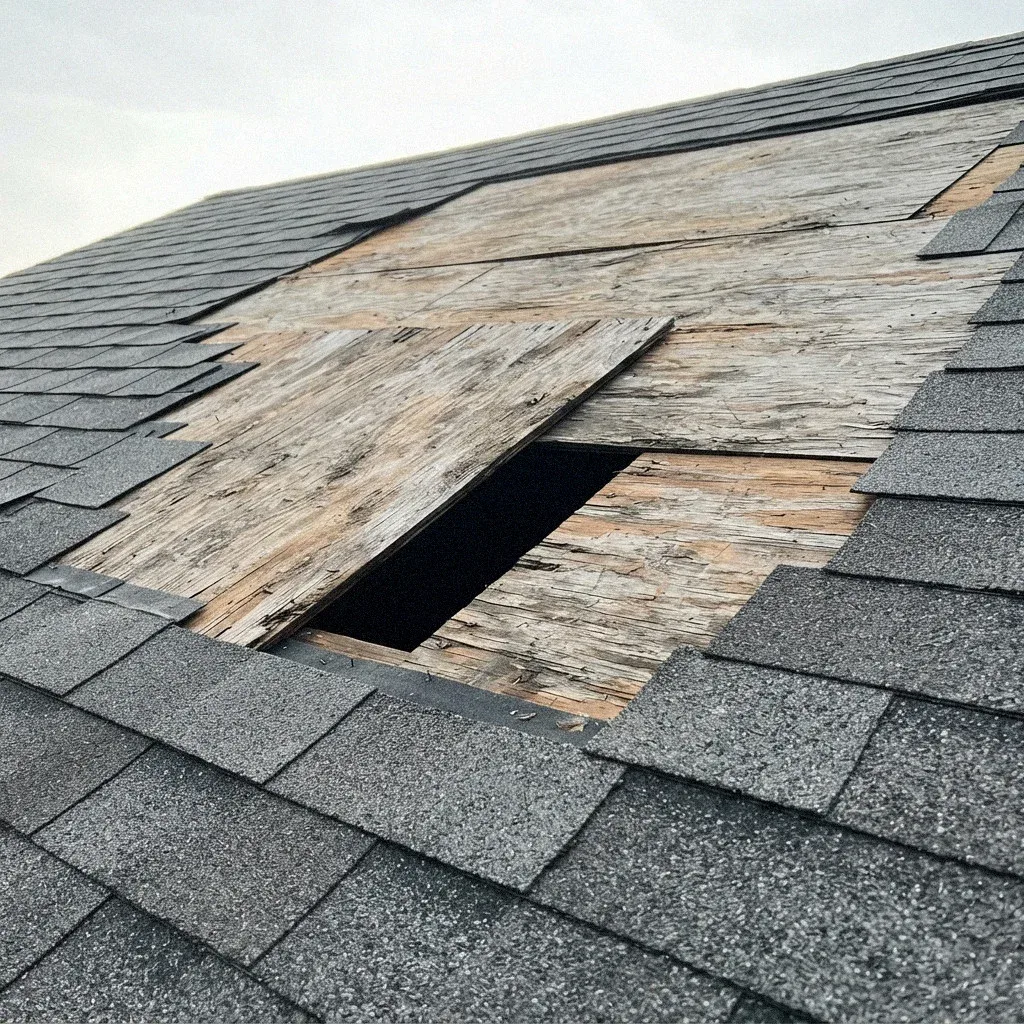
Roof Decking & Sheathing Repair
Weak roof decking caught mid-tear-off, replaced before the new roof goes down.
Learn about Roof Decking & Sheathing Repair1890s-1930s stockyards-era bungalows on tight, unincorporated-era plats near Q Street.
South Omaha sits 3.7 miles south of downtown, straddling the old Union Stockyards ground either side of Q Street. Housing runs bungalows and modest single-family homes from roughly 1890 to 1930, most platted before the packing plants closed, packed onto tight lot lines with alley frontage common on older blocks.
Sharp temperature swings, freeze-thaw cycling, and spring hail wear on a roof steadily, not just during one bad storm.
What sits under the shingles carries as much weight as the shingles do. Old decking, thin sheathing, or a ventilation setup from decades back all change how fast a roof wears, no matter what brand of shingle sits on top.
A roof does not need visible damage to leak. Granules wear thin, nail heads work loose over repeated freeze-thaw cycles, and a sealant bead can crack without a single missing shingle, so an intact-looking roof can still be letting water through.
Freeze-thaw cycling hits this ZIP code's older roofs hard: basements and shallow-pitch additions built onto original bungalow frames flex differently than the main house, opening flashing seams every spring thaw. Omaha's frost line runs around 36 inches, deep enough to shift porch and addition footings each winter. Winter here isn't just cold, it's cold that freezes and thaws repeatedly, and that cycling is what actually wears down shingles and flashing over years. A roof doesn't need one brutal night so much as dozens of freeze-thaw swings stacked across a season.
Sites like Union Pacific Railroad mean plenty of tenanted and mixed-use buildings in South Omaha. Access coordination is half the job - work outside trading hours, and a written record with photographs for each visit.
Most South Omaha jobs land inside these ranges. The inspection is free and the exact figure comes in writing before anything starts.
| Service | Estimated cost |
|---|---|
| Roof Decking & Sheathing Repair | an estimated $600–$4500 |
| Roof Leak Repair | an estimated $450–$2400 |
| Ice And Snow Removal From Roofs | an estimated $250–$1200 |
| Flat & Low-Slope Roofing | an estimated $9000–$26000 |
Spring Lake Park sits within the neighborhood's older core, and homes on the streets feeding it carry the same tight lot lines and shallow setbacks typical of this build era.
Little Italy's blocks sit just north, sharing the same pre-1930 plat pattern, where narrow frontage and alley-loaded lots shape how a roof crew can even stage a job.
Little Bohemia lies within South Omaha's broader service radius, another stockyards-era pocket where original framing under later reroofs is the norm rather than the exception.
Weak roof decking caught mid-tear-off, replaced before the new roof goes down.
Learn about Roof Decking & Sheathing Repair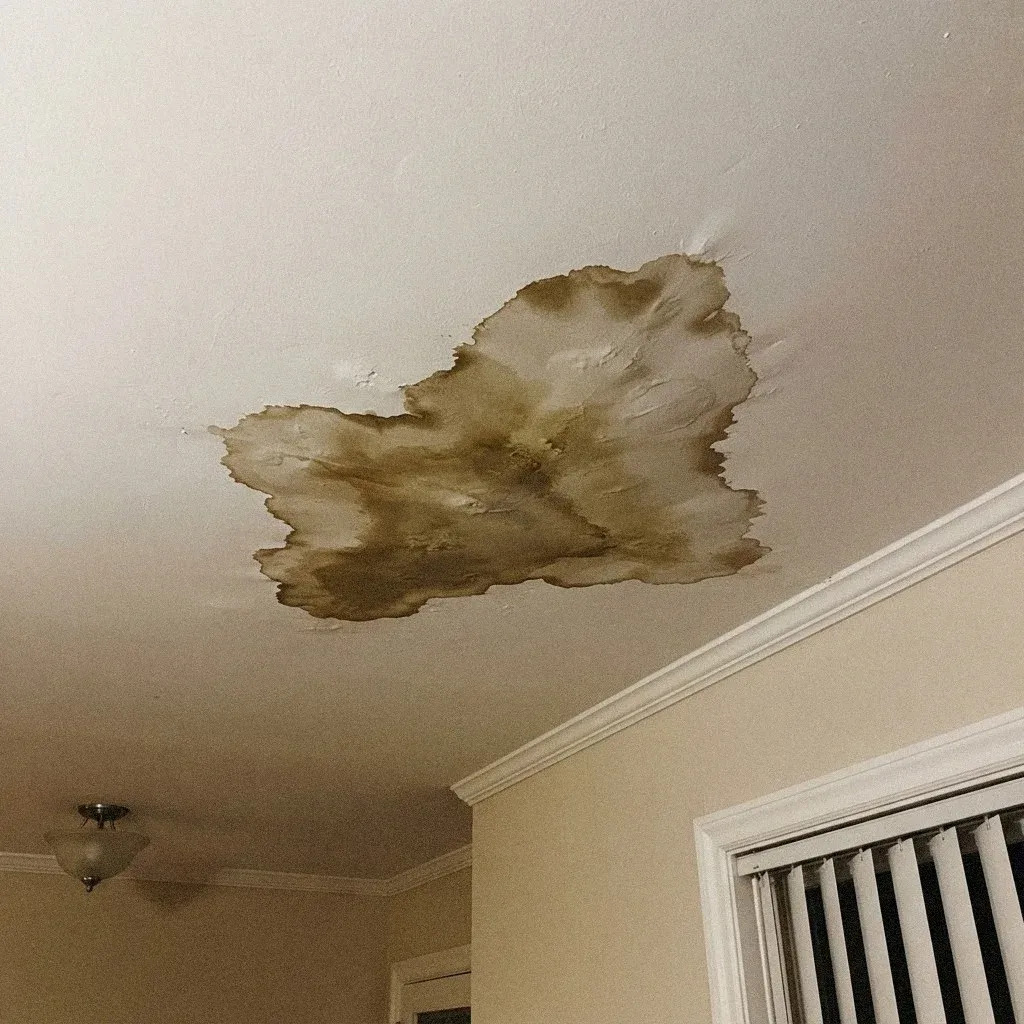

Steam-based ice and snow removal for Omaha roofs and eaves
Learn about Ice And Snow Removal From Roofs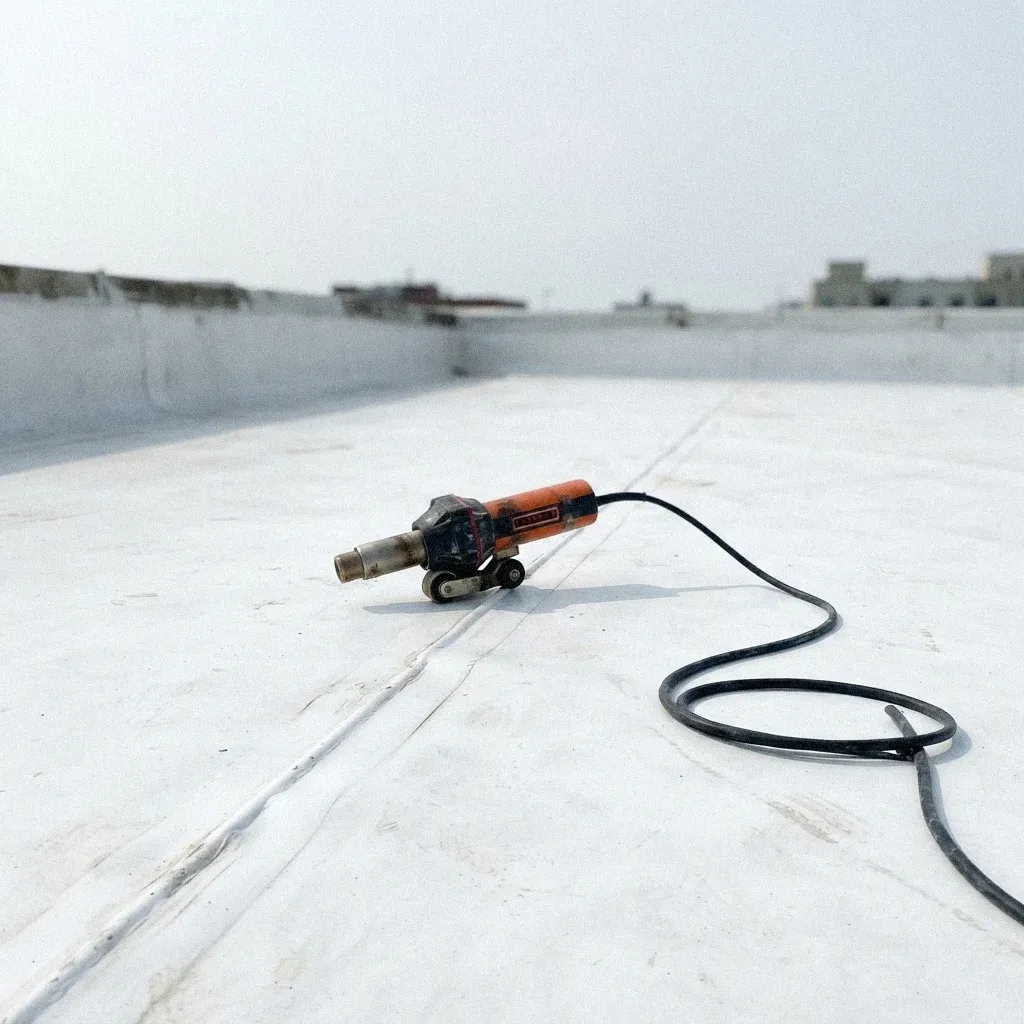
Membrane roofing built to drain, not to pond.
Learn about Flat & Low-Slope RoofingMost of the original housing stock in South Omaha dates from roughly 1890 to 1930, tied to the old stockyards' rapid build-out. A roof that age has typically already been replaced at least once, but plenty of alley-facing additions still carry older decking that flexes and cracks differently than the main roof plane.
Many South Omaha lots were platted with narrow frontage and alley access on the back side, a layout from before wider setback rules. That means less room for grading and downspout runs, so water from a steep roof pitch often has nowhere to go but straight against the foundation on tight lot lines.
Usually yes. The City of Omaha Planning Department requires a permit for a full tear-off reroof, including on the older bungalows common near Q Street. A simple layover on a single existing layer sometimes qualifies for a lighter review, but South Omaha's 1890s-1930s homes have often already been reroofed once, pushing most jobs into tear-off territory and a full permit.
Bungalows from this build era were often expanded later with lower-pitch additions tied into the original roofline. That seam is a common leak point, since the two roof sections age and flex at different rates through Omaha's freeze-thaw winters, and flashing there wears faster than flashing on the original structure.
Gable and hip roofs dominate, matching the bungalow and modest single-family build era here, generally covered in asphalt shingle after decades of reroofing. Lot sizes are smaller than newer Omaha subdivisions, and tree cover is lighter than midtown, since many blocks were cleared and rebuilt close together near the old stockyards.
There is a round-the-clock emergency line covering South Omaha, so a call at 2am reaches a person rather than a voicemail. Being 3.7 miles south of downtown Omaha, the old Union Stockyards ground either side of Q Street, most standard bookings still land the same day or the next. You get an honest arrival window when you book instead of a vague promise.
Every part of Omaha answers to the same hail season and the same winter freeze-thaw, but not in the same way. An older home near Hanscom Park with decades of roofing history wears differently than a newer build out toward Elkhorn on its original shingles. Proximity to Papillion Creek or the Missouri River floodplain changes the drainage story too. The licensed pros we connect you with know how these local differences show up on an actual roof, not just a map.
Call (833) 566-1459