Two Systems Working Against The Roof
Class 4 shingles matter in Omaha because hail season runs concentrated through April, May, and June, and a roof that took a direct hit two years ago is a roof that will take another. The impact layer buys time between storms.
It shows up most often as the material an adjuster and homeowner agree on after a hailstorm claim, replacing whatever standard shingle was on the house before, from older Benson bungalows to newer builds out toward Elkhorn.
Steep-slope roofs and low-slope roofs fail differently and get repaired differently. A homeowner comparing two quotes should check that both bids are actually pricing the same roof type, not applying a steep-slope fix to a flat section or the reverse.
Insurance Claims Made Simple
- Service Life
- Class 4 shingles run 25 to 30 years, longer than a three-tab or standard architectural shingle but short of standing seam metal or clay tile.
- Roof Weight
- A Class 4 shingle roof loads the deck at roughly 250 to 400 pounds per square, close to a standard shingle and far under concrete or clay tile.
- Minimum Slope
- Class 4 shingles hold down to about 2:12, workable on the low-pitch additions and porch roofs common across older Omaha lots.
- Walkability
- Walkable like any composition shingle away from a hard freeze, but the mat is not meant to carry regular foot traffic the way a membrane roof does.
- Repair Method
- A crew pulls and reseats individual shingles course by course, matching the same Class 4 line rather than patching like modified bitumen or rolled roofing.
- Time of year
- Spring through fall is when the licensed pros we connect you with have the steadiest stretch to tear off and reroof, working around the same April-to-June window that also tends to bring the hail that sends homeowners looking for Class 4 in the first place.
- Estimated cost
- an estimated $13000–$36000
Questions Worth Asking Before Any Repair
Class 4 shingles get weighed most against standard architectural shingles, which look almost identical on the roof but skip the reinforced rubberized layer under the granules that gives Class 4 its hail rating. The deciding difference sits under the surface. Architectural shingles use a plain asphalt mat that bruises and splits under hail; Class 4 adds a polymer-modified layer that flexes and absorbs the strike instead of cracking through.
What a Legitimate Repair Actually Covers
Treatment means the install decisions that carry the rating: correct nailing pattern at the manufacturer's mark, proper exposure per course, sealed underlayment, and flashing detail at every valley and penetration, work the licensed pros we connect you with handle roof by roof.
On an aging Class 4 roof, upkeep usually means replacing a course that took a fresh hit, resealing a lifted edge along a rake or ridge, or checking flashing at a chimney or vent stack after a hard windstorm moved through.
Roof damage in this climate builds quietly between seasons. Freeze-thaw cycling works at shingle edges and flashing seams until a small gap becomes a leak path, often showing up long after the weather event that caused it. Spring hail adds sudden, visible damage on top of that slow wear, which is why timing and cause both matter once you're filing a claim.
ATTIC VENTILATION TYPES AND WHAT EACH ONE PREVENTS
| Next Step |
Works Best When |
|---|
| Omaha roofs deal with hail more than wind-driven rain, and that changes what actually fails first. Granule loss from an April hailstorm weakens a shingle without opening it up right away, so the damage sits unnoticed until a freeze-thaw winter finds the weak spot and turns it into a leak. | Insurance adjusters here see enough hail claims each spring that they know the difference between wind-lift and hail bruising on sight. A homeowner walking into that conversation without their own read on the roof is negotiating a repair bill blind, against someone who does this every week. |
| A roof claim gets complicated fast when the homeowner, the adjuster, and the contractor all read the same shingles differently. Getting a second, licensed opinion before signing anything keeps the estimate grounded in what the roof actually needs, not what any one party wants it to need. | Freeze-thaw is the quiet damage here, not the dramatic kind. Water works into small gaps, freezes, expands, and widens them, then thaws and does it again the next week. A shingle edge or flashing seam that could handle one hard freeze rarely holds up through a whole winter of them. |
| Hail doesn't always leave a hole you can see from the driveway. It can bruise a shingle's mat without breaking the surface, and that bruise keeps losing granules long after the storm passes. An insurance adjuster or a roofer trained to spot bruising can tell the difference between cosmetic marks and real functional damage. | Gutters matter more here than in drier places, because so many older homes have a finished basement below grade. A roof that sheds water poorly doesn't just risk the attic — it can push water toward a foundation that was never built to take it. Drainage is part of the roof's job. |
Insurance Claim TimingNebraska does not license roofing contractors; it requires registration with the state Department of Labor under the Contractor Registration Act. Omaha separately requires its own contractor license for work inside city limits, filed through OmahaPermits.com with the Planning Department.
What Hail Season Leaves Behind
A hailstone leaves a bruise or a torn mat rather than the granule bald spots a standard shingle shows. A crew replaces just the affected shingles, matching the same Class 4 line and color run so the patch does not stand out.
Reading An Insurance Adjuster's Report Yourself
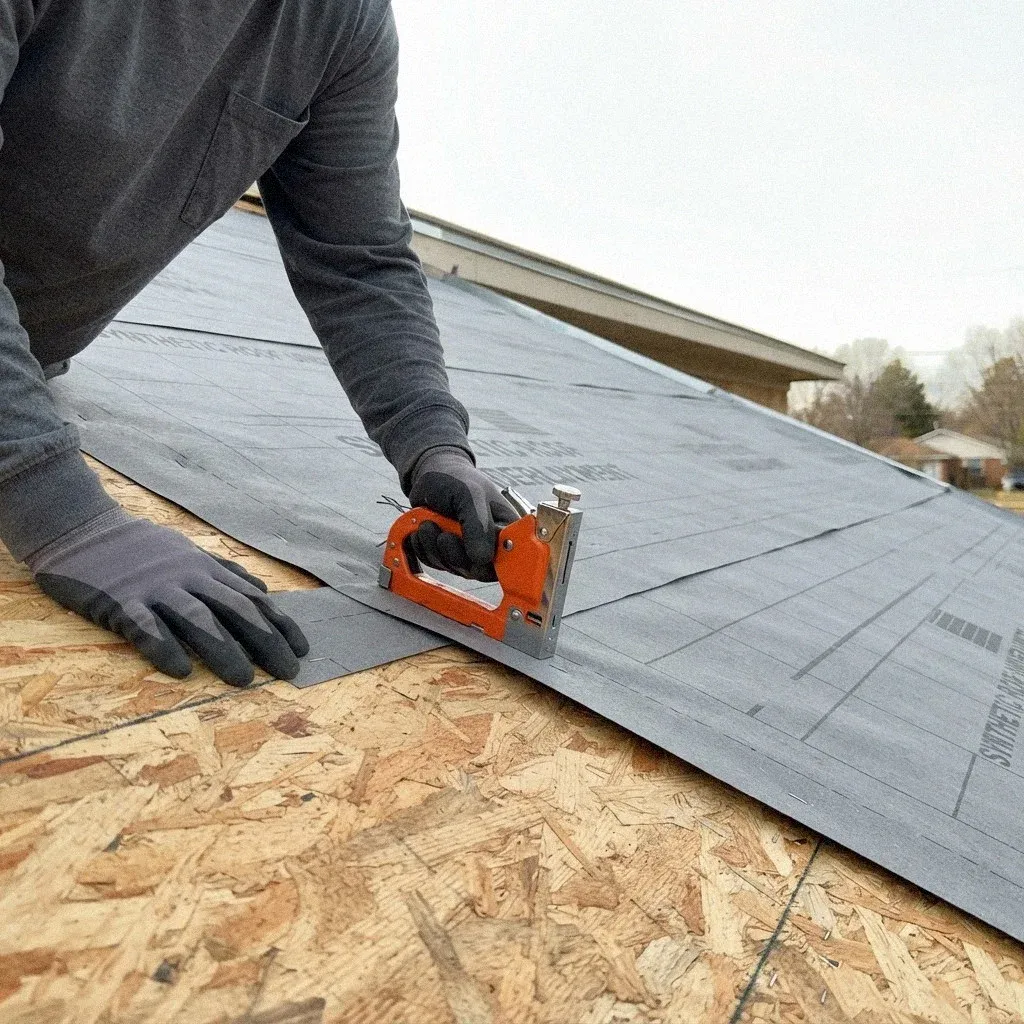
Class 4 shingles install the same way any composition shingle does, course by course with a nail gun and a chalk line, but getting the exposure right and the starter course straight is where a weekend job usually goes sideways on a full roof.
Why a Fast Look Beats a Slow One
Class 4 impact-resistant shingles hold up against Omaha's spring hail without cracking or bruising, which matters most for homes near Papillion Creek and the western suburbs where storms roll through hardest each April through June. That resistance keeps roof decks and attic framing dry through the freeze-thaw stretch that follows, protecting the full basements common in older Omaha housing stock below.
Not Sure If Your Claim Holds Up?
Expect an estimated $13000 to $36000 for impact-resistant shingle roofs here, with the pitch, the access and how much decking is sound doing most of the moving. Omaha's freeze-thaw cycling, not insect activity, drives most hidden roof damage found around Dundee and Benson. The eastern subterranean termite is the local species, entering through soil contact, but it rarely factors into a reroof estimate here. The licensed pros we connect you with usually flag ice-dam and flashing wear before pest damage. pricing guide, and the service that handles this is Roof Replacement.